How to Choose the Right Roof Ventilation and Insulation for Your Home
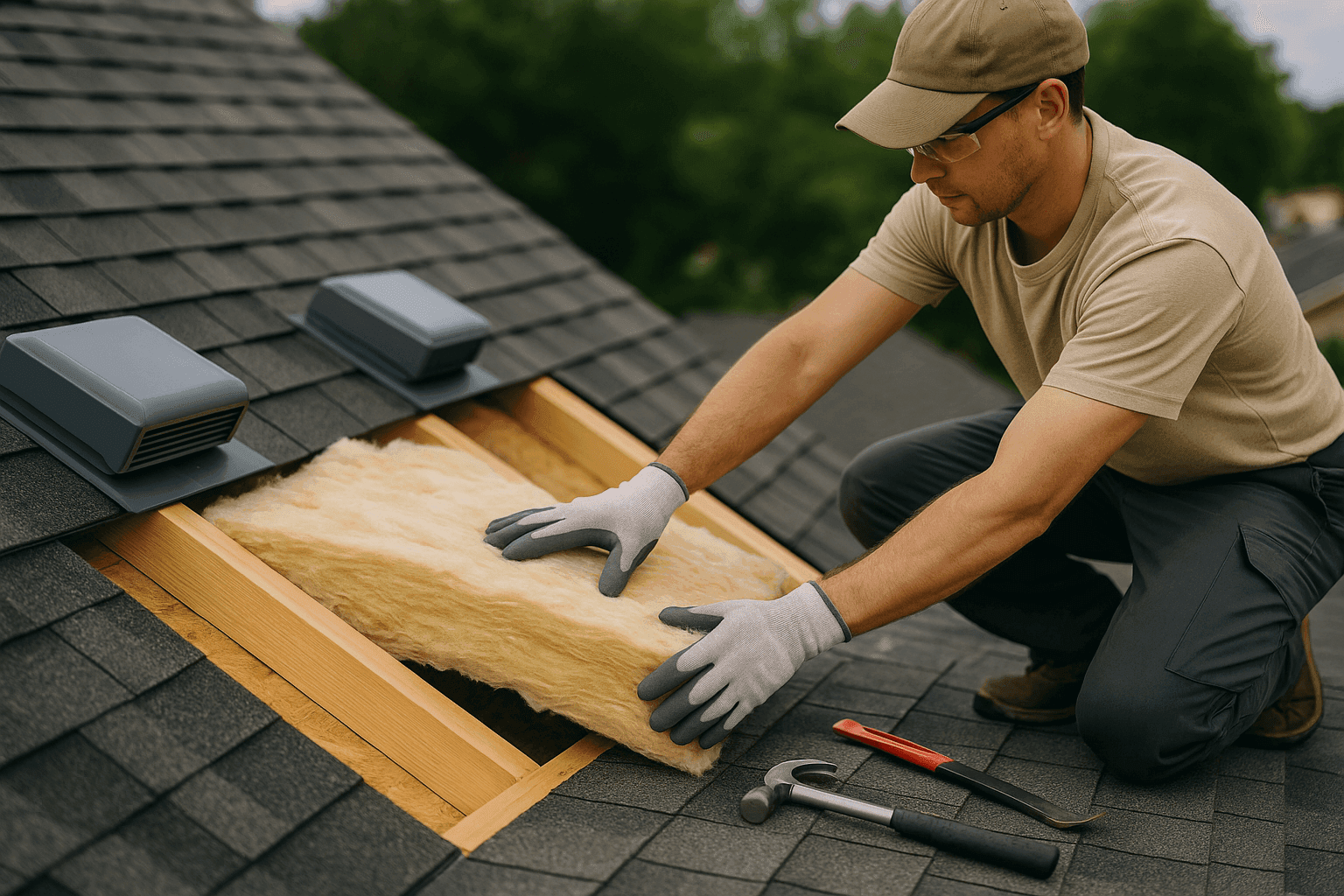
Your roof does a lot more than keep out the rain. It’s your home’s shield against wild weather, sneaky leaks, and temperature swings that can turn your living space into a sauna or an icebox. But even the sturdiest roof can’t do its job alone. Without the right ventilation and insulation, your roof is like a jacket with holes—letting in trouble you can’t always see.
At Solidway Roofing, we’ve seen what happens when these systems are ignored: mold creeping in, energy bills climbing, and roofs needing early replacement. If you’re not sure where to start, you’re not alone. Let’s break it down together.
Understanding Roof Ventilation: Types and Benefits 🌀
Think of your attic like a pair of lungs for your house. Roof ventilation lets your home breathe, moving out stale air and bringing in fresh air. Without it, heat and moisture get trapped, leading to problems that can be costly and dangerous.
Why Ventilation Matters
- Prevents Moisture Buildup: Moisture from showers, cooking, and even breathing rises into your attic. Without escape, it can soak into wood, insulation, and even your roof deck.
- Reduces Energy Bills: Hot air trapped in summer makes your AC work overtime. In winter, poor ventilation can lead to ice dams—thick ridges of ice that block gutters and damage shingles (U.S. Department of Energy).
- Extends Roof Life: Heat and moisture speed up wear and tear. Proper airflow means fewer repairs and a longer-lasting roof.
Types of Roof Ventilation
- Ridge Vents: Run along the peak of your roof, letting hot air escape naturally.
- Soffit Vents: Located under the eaves, these let cool air in from below.
- Gable Vents: Found on the ends of the attic, they help cross-ventilate.
- Powered Vents: Use fans to pull air out, useful for larger or complex roofs.
The right mix depends on your home’s design. Too few vents and air gets trapped. Too many, and you risk leaks or drafts.
Choosing the Right Insulation Material for Your Roof
Insulation is your roof’s winter coat. It keeps warmth inside when it’s cold and blocks heat when it’s blazing outside. But not all insulation is created equal.
Common Insulation Types
- Fiberglass Batts: Affordable, easy to install, and widely used.
- Blown-In Cellulose: Made from recycled paper, good for odd-shaped spaces.
- Spray Foam: Seals gaps and cracks, great for energy efficiency.
- Rigid Foam Boards: High insulating value, often used in new construction or roof replacements.
What to Consider
- R-Value: This measures how well insulation resists heat flow. The higher, the better. Building codes (like those from the International Residential Code) set minimum R-values for attics and roofs.
- Moisture Resistance: Some materials handle dampness better than others.
- Fire Safety: Always choose products that meet fire safety standards.
A Solidway Roofing technician can help you weigh the options for your home or business, taking into account your climate, roof structure, and budget.
Signs Your Roof Needs Better Ventilation or Insulation
Sometimes the clues are clear. Other times, they sneak up. Watch for these red flags:
- Ice Dams in Winter: Thick ice on the edge of your roof or in gutters.
- Hot or Cold Spots Indoors: Rooms that never feel the right temperature.
- High Energy Bills: Sudden spikes, especially during extreme weather.
- Musty Odors or Mold: Moisture trapped in the attic breeds mold.
- Peeling Paint or Warped Wood: Excess humidity escapes into your living spaces.
If you see any of these, it’s time to take a closer look.
Seasonal Considerations: Summer Heat & Winter Ice
Roof ventilation and insulation aren’t just for one season. They work year-round.
- Summer: Hot air in the attic can reach oven-like temperatures. Without ventilation, this heat radiates down, making your AC work harder and raising your bills.
- Winter: Warm air from the house rises and melts the snow on your roof. If it refreezes at the edge, you get ice dams. Proper insulation keeps heat in, while ventilation helps keep the roof deck cold—stopping ice before it starts.
Quick Safety Checklist Before You Inspect
- Wear sturdy shoes and gloves.
- Use a flashlight for attic inspections.
- Watch for exposed nails or sharp edges.
- Never walk on a wet or icy roof.
- If you see signs of mold or electrical hazards, step back and call a professional.
Evaluating Your Current Roof Setup
Not sure if your roof is up to the task? Here’s how to check:
- Peek in the Attic: Look for insulation gaps, damp spots, or signs of mold.
- Feel for Drafts: On a windy day, see if air leaks through attic access points.
- Check Vents: Make sure soffit and ridge vents aren’t blocked by insulation or debris.
- Look at Your Energy Bills: Compare year-over-year. A sudden jump can mean trouble.
If anything looks off, don’t ignore it. Small issues grow fast.
DIY vs. Professional Installation
Some fixes are simple—like clearing blocked vents or adding insulation batts. But other jobs, like sealing attic leaks or installing new ventilation systems, require experience and safety know-how.
- DIY Tasks: Adding insulation, clearing debris from vents, basic attic checks.
- Call a Pro: Mold remediation, structural repairs, installing powered vents, or if you suspect leaks.
Roof work is risky. If you’re not comfortable on a ladder or in tight attic spaces, it’s safer to call Solidway Roofing.
What Solidway Roofing Pros Do On Arrival
Our technicians don’t just glance at the surface. Here’s what to expect:
- Full Attic and Roof Inspection: We check for moisture, mold, and signs of poor airflow.
- Vent and Insulation Assessment: We measure R-values and look for blocked or missing vents.
- Thermal Imaging: Pinpoints hot and cold spots you can’t see.
- Custom Recommendations: Based on your home’s needs, not a one-size-fits-all approach.
We follow guidelines from the National Roofing Contractors Association (NRCA) and the Occupational Safety and Health Administration (OSHA) for every job.
Preventative Maintenance Tips
A little care goes a long way. Here’s how to keep your roof breathing easy:
- Clean gutters and downspouts twice a year.
- Check attic insulation every spring and fall.
- Keep soffit vents clear of insulation or debris.
- Look for water stains in the attic after storms.
- Schedule regular roof inspections, especially after severe weather.
Costs & Time Factors
Every home and business is different. But here’s what to expect:
- Time: Small fixes (like adding insulation) can take a few hours. Full ventilation upgrades or attic mold remediation may take a day or two.
- Cost Influencers: Roof size, insulation type, accessibility, and the extent of repairs.
- Long-Term Savings: Proper ventilation and insulation pay off in lower energy bills and fewer emergency roofing calls.
When It’s an Emergency
Some issues can’t wait. Call for emergency roofing help if you notice:
- Water dripping from ceiling fixtures.
- Sudden roof leaks after a storm.
- Large patches of mold or a strong musty smell.
- Sagging roof deck or visible structural damage.
Quick action can prevent bigger headaches down the road.
Common Questions About Roof Ventilation & Insulation
How often should I check my attic insulation and vents?
Twice a year is a good rule—once in spring, once in fall. After big storms, take a look as well.
Can adding more insulation cause ventilation problems?
Yes. If insulation blocks soffit vents, it traps moisture. Always keep airflow paths clear.
What’s the best insulation for my roof?
It depends on your climate, roof type, and budget. Fiberglass and cellulose are common, but spray foam offers great air sealing for many homes.
Do I need both insulation and ventilation?
Absolutely. Insulation keeps heat where you want it, and ventilation lets moisture and excess heat escape. One without the other is like wearing a raincoat with no boots.
Special Considerations for Roof Ventilation and Insulation
- Older Homes: May lack modern venting or have outdated insulation. Upgrades can boost comfort and safety.
- Flat Roofs: Need specialized ventilation and insulation solutions.
- Commercial Buildings: Larger spaces may require powered vents or advanced insulation systems.
- Eco-Friendly Options: Ask about recycled or sustainable materials for a greener footprint.
Final Thoughts
Your roof is more than shingles and nails. With the right ventilation and insulation, it protects your investment, keeps your family comfortable, and saves you money every season.
Call Solidway Roofing now — or reach us anytime at 888-227-1578 .