How to Identify and Fix Common Roof Flashing Problems
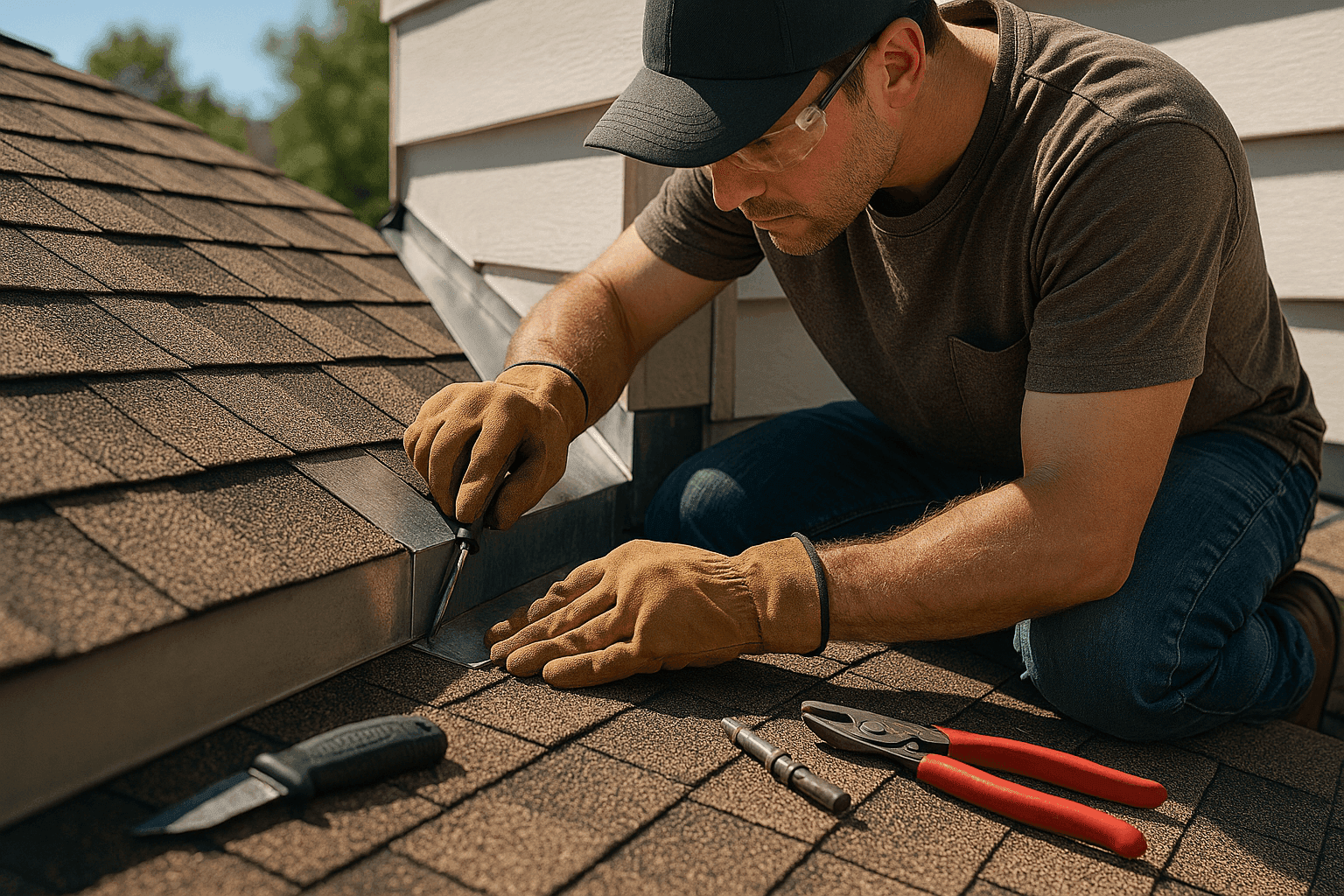
When water sneaks where it shouldn’t, it’s often because of one small culprit: roof flashing. That thin strip of metal, hidden under shingles or around chimneys, can make or break your home’s defense against leaks. Ignore it, and you might wake up to a drip-drip in the attic—or worse.
At Solidway Roofing, we’ve patched, repaired, and replaced thousands of feet of flashing for homeowners and small business owners. We know the warning signs. We know how fast a “little” leak can turn into a big, soggy headache. Let’s walk through what you need to know to keep your roof—and everything under it—dry and safe.
What is Roof Flashing and Why It Matters 🛡️
Roof flashing is like the unsung hero of your roof. It’s the armor that protects the most vulnerable spots—where the roof meets walls, chimneys, skylights, or vents. Think of it as the gutter’s older, quieter sibling. While gutters whisk water away, flashing blocks it from getting in at all.
Where You’ll Find Flashing
- Around chimneys and skylights
- At valleys (where two roof slopes meet)
- Along roof edges and eaves
- At wall intersections and dormers
- Around pipes and vents
Why Proper Flashing Is Critical
A missing or damaged piece of flashing is like leaving a window cracked open during a storm. Water slips in, soaks insulation, stains ceilings, and—if left unchecked—can rot the wood framing beneath. According to the International Association of Certified Home Inspectors (InterNACHI), improper flashing is a leading cause of roof leaks. It’s not just about comfort; it’s about protecting your investment.
Materials Used in Roof Flashing
- Aluminum: Lightweight and rust-resistant, but can corrode if touching treated wood.
- Galvanized steel: Strong and affordable, but needs good coating to prevent rust.
- Copper: Durable and long-lasting, but pricier.
- Rubber or plastic flashing: Used around pipes, but not as tough as metal.
Each type has its place. The best choice depends on your roof’s design, age, and what it’s up against—rain, snow, or wind.
Signs Your Roof Flashing Needs Repair
Flashing rarely fails all at once. It’s more like a slow leak in a bike tire—easy to miss until you’re left stranded. Catching problems early can save you from major repairs.
Inspection Tips
- Look for rust or corrosion: Orange streaks or powdery residue are early warning signs.
- Check for gaps or lifting: Flashing should sit tight against the roof. If it’s bent, loose, or missing nails, water can sneak in.
- Watch for cracked caulk or sealant: Old, dried-out sealant can split, leaving a path for leaks.
- Inspect after storms: High winds and flying debris can bend or tear flashing.
- Inside signs: Water stains on ceilings or walls, peeling paint near the roofline, or musty smells in the attic.
Bring binoculars for a ground check, or use a sturdy ladder—always with a spotter. If you’re not comfortable climbing, it’s safer to call in a pro.
Seasonal Considerations
- Before storm season: Inspect flashing for any weaknesses. Heavy rains will test every seam.
- Before winter: Ice dams and snowmelt can exploit even tiny gaps. Catch problems before the freeze.
Quick Safety Checklist
Before you grab a ladder or hammer, check these essentials:
- Wear sturdy shoes with good grip.
- Use a properly placed, stable ladder.
- Never work alone—have someone nearby.
- Avoid wet or icy roofs.
- Watch for overhead wires.
- Wear gloves and eye protection.
- Know your limits; if you feel uneasy, step down and call a professional.
DIY vs. Professional Roof Flashing Repair
Some flashing repairs are like patching a garden hose. Others are more like rewiring your house—best left to those with the right tools and know-how.
When DIY Makes Sense
- Replacing a few inches of loose flashing
- Resealing with roofing caulk
- Cleaning out debris or clearing leaves from flashing valleys
DIY Steps:
- Clean the area around the flashing.
- Remove old, cracked sealant with a putty knife.
- Apply roofing caulk or sealant, pressing flashing back into place.
- Replace missing nails with roofing screws.
- Check for gaps and test with a garden hose.
If the flashing is rusted through, bent, or covers a large area, it’s time to call for backup.
When to Call Solidway Roofing
- Flashing is rusted, cracked, or missing entirely
- Leaks persist after DIY fixes
- Flashing is around chimneys, skylights, or complex rooflines
- You notice mold, rotted wood, or soft spots under the roof
Professional roofers have the tools, materials, and experience to handle tricky repairs—fast. In emergencies, our team is ready 24/7 to stop leaks and prevent further damage.
What Pros Do On Arrival
When Solidway Roofing arrives, we don’t just slap on a patch. Here’s what you can expect:
- Thorough inspection: We check all flashing, not just the obvious spots.
- Moisture detection: Using moisture meters, we find hidden leaks.
- Material match: We use the right flashing for your roof type and climate.
- Proper installation: Flashing is tucked under shingles, sealed tight, and secured with the right fasteners.
- Cleanup: All debris and old materials are removed.
We follow guidelines from the National Roofing Contractors Association (NRCA) and local building codes to make sure every repair is safe and long-lasting.
Prevention & Maintenance Strategies
A little TLC goes a long way with flashing. Here’s how to keep leaks at bay:
- Schedule annual inspections: A pro can spot trouble before it starts.
- Keep gutters and downspouts clear: Backed-up water can seep under flashing.
- Trim overhanging branches: Falling limbs can dent or pry up flashing.
- Check after major storms: Wind and hail can loosen or damage metal.
- Touch up sealant: If caulk is cracked or peeling, reseal it before water finds its way in.
Preventative maintenance is like oil changes for your roof. It keeps everything running smoothly and helps you avoid surprise repairs.
Costs & Time Factors
Roof flashing repair costs depend on the size of the problem and the materials involved. Replacing a few feet of flashing is usually quick and affordable. Larger jobs—like replacing chimney flashing or fixing multiple valleys—take more time and skill.
- Small repairs: Can often be done in a couple of hours.
- Major repairs: May take a full day, especially if wood beneath is damaged.
- Material costs: Aluminum and steel are generally less expensive than copper.
Remember, catching problems early is always cheaper than waiting until water damage sets in.
When It’s an Emergency
Not all leaks can wait. If you notice water pouring in during a storm, sagging ceilings, or electrical issues from roof leaks, it’s time to call for emergency roofing help—day or night.
Solidway Roofing’s emergency services are ready to respond. We’ll tarp and secure your roof, stop the leak, and prevent further damage until a permanent fix is made.
FAQ: Roof Flashing Problems
How often should roof flashing be inspected?
At least once a year, and always after major storms. Early detection is key to avoiding leaks.
Can I use regular caulk to seal flashing?
Roofing sealants are specially formulated to withstand weather and movement. Regular household caulk usually won’t last.
What’s the most common cause of flashing failure?
Improper installation or old, cracked sealant. Sometimes, flashing is installed without enough overlap or isn’t secured tightly, letting water sneak in.
Do all roofs need flashing?
Yes—especially around chimneys, vents, and valleys. Even flat roofs require flashing at edges and penetrations.
Special Considerations for Roof Flashing
- Flat roofs: Flashing is even more important, as water doesn’t run off as quickly.
- Historic buildings: Special care is needed to match original materials and meet code.
- Eco-friendly options: Some modern flashing uses recycled metals that last just as long as traditional materials.
- Insurance: Some policies require regular roof maintenance. Keep records of inspections and repairs.
Don’t let a small flashing problem grow into a costly repair. If you spot signs of trouble or need emergency roofing help, Solidway Roofing is here for you.
Call Solidway Roofing now — or reach us anytime at 888-227-1578 .