How to Prepare Your Roof for Winter: Essential Tips to Prevent Damage
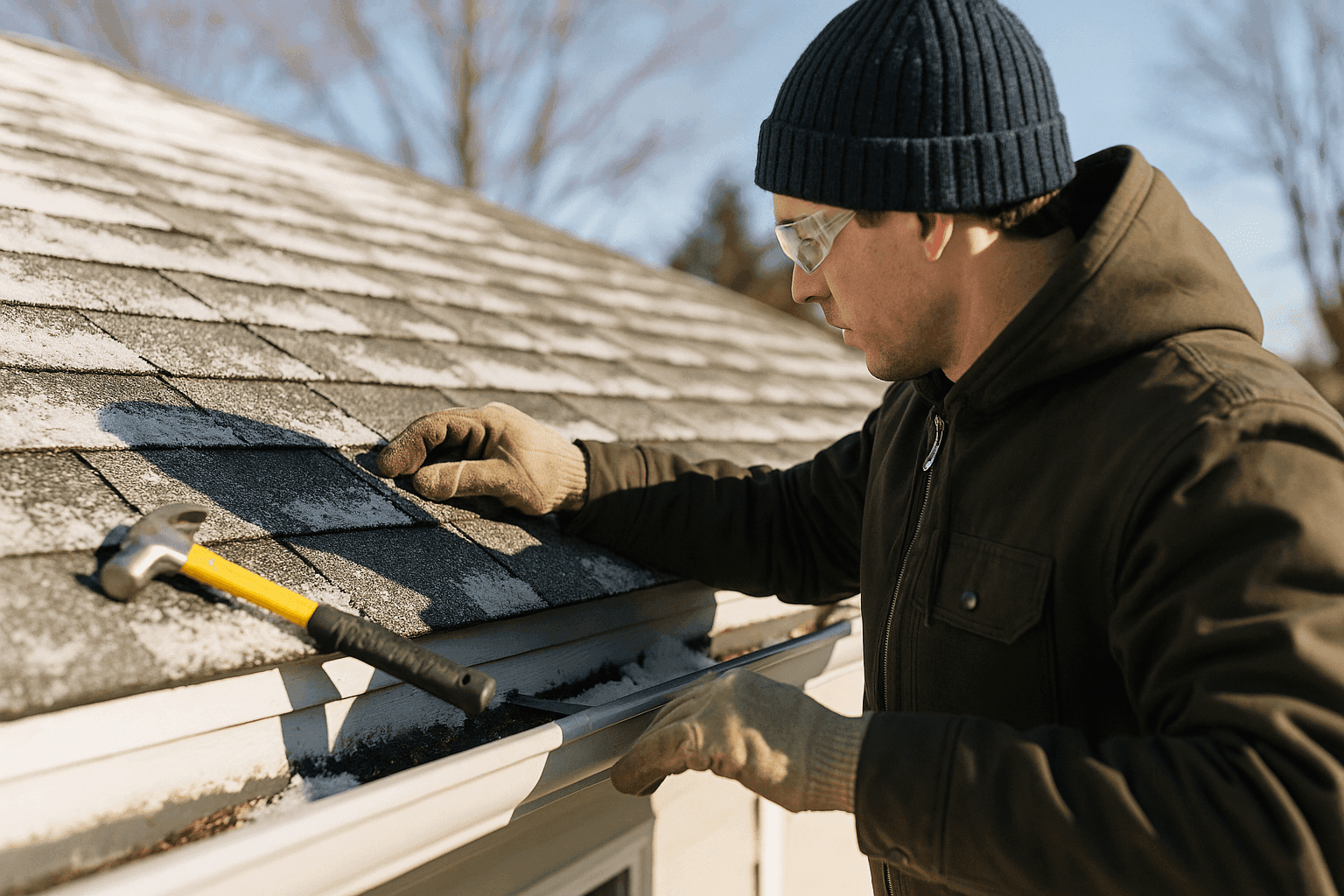
Winter can be beautiful. But if you’re a homeowner or run a small business, it’s also a season that tests your roof. Snow, ice, and freezing rain can turn minor roofing issues into major headaches overnight.
At Solidway Roofing, we know the cold months bring unique challenges. A little preparation now can save you from emergency roofing calls when the weather turns rough. Here’s how to get your roof ready for winter’s worst.
Common Winter Roofing Challenges ❄️
Roofs take a beating during winter. Here are the big threats:
- Ice Dams: When snow melts and refreezes at the edge of your roof, it can trap water. This leads to leaks and damage inside your home.
- Heavy Snow Load: Wet, heavy snow can stress your roof’s structure, especially if it piles up.
- Freeze-Thaw Cycles: Water sneaks into cracks, freezes, and expands, making small problems much worse.
- Increased Leak Risk: Old flashing, worn shingles, or clogged gutters can turn a drizzle into a disaster.
These aren’t just annoyances. They can threaten your property’s safety and value.
Conducting a Thorough Roof Inspection Before Winter
Start with your eyes and a notepad. Walk around your property and look for:
- Missing, cracked, or curling shingles
- Rusty or loose flashing around chimneys, skylights, and vents
- Sagging sections or uneven rooflines
- Moss, algae, or dark streaks (these can signal trapped moisture)
- Debris buildup in valleys or behind chimneys
Binoculars help you see details from the ground. If you’re comfortable using a ladder, check for soft spots or loose materials up close—but always put safety first. The Occupational Safety and Health Administration (OSHA) recommends using a sturdy ladder on level ground and never climbing alone.
Signs you need a pro:
If you spot anything you’re unsure about—especially sagging, large patches of missing shingles, or signs of water damage inside—schedule a professional inspection. A trained eye can catch what’s easy to miss.
Essential Maintenance Tasks: Cleaning Gutters and Downspouts
Clogged gutters are like blocked arteries for your roof. Water backs up, freezes, and can cause rot or leaks. Here’s how to keep things flowing:
- Clear leaves, twigs, and debris from gutters and downspouts before the first snow.
- Flush gutters with a garden hose to check for smooth flow.
- Inspect for loose or sagging sections—these can pull away under the weight of ice and snow.
- Check downspouts for blockages and make sure they direct water away from your foundation.
Wear gloves and use a sturdy ladder. If you’re not comfortable with heights or have a multi-story building, it’s wise to call in help.
Checking and Improving Roof Ventilation and Insulation
Good ventilation and insulation are like a warm winter coat for your roof. They keep heat in, prevent ice dams, and help your home stay energy-efficient.
- Inspect attic insulation: Look for even coverage with no bare spots. Gaps can lead to heat loss and ice dam formation.
- Check attic vents: Make sure they’re clear of debris and not blocked by insulation.
- Look for signs of moisture: Frost or mold in the attic means poor airflow.
The U.S. Department of Energy recommends at least 10–14 inches of insulation in attics for most homes. If you’re unsure, a professional can measure and recommend upgrades.
Applying Sealants and Coatings for Weatherproofing 🛡️
Sealants and coatings are your roof’s raincoat. They protect vulnerable spots from leaks and extend your roof’s life.
- Seal flashing: Pay special attention to spots around chimneys, skylights, and vents.
- Repair cracked caulking: Old caulk can crumble and let water seep in.
- Consider elastomeric coatings: These flexible, waterproof layers are especially helpful for flat roofs.
Always use products rated for your specific roofing material. If your roof is older or you see cracks and gaps, a professional application can make all the difference.
Emergency Preparedness: What to Do if Damage Occurs
Even with the best prep, winter storms can surprise you. Here’s what to do if you spot damage:
- Stay safe: Don’t climb on an icy or snow-covered roof.
- Contain leaks: Place buckets under drips and move valuables out of harm’s way.
- Document the damage: Take photos for insurance.
- Call emergency roofing services: Quick action can prevent small issues from becoming big repairs.
Emergency roofing teams like Solidway Roofing are trained to respond quickly—even in tough winter conditions.
Quick Safety Checklist ✅
- Inspect from the ground first
- Use a sturdy, well-placed ladder
- Wear non-slip shoes and gloves
- Never work alone on a ladder or roof
- Avoid icy, wet, or windy days for outdoor work
- Keep children and pets inside during maintenance
DIY vs. Call a Pro
Some tasks are safe for handy homeowners: cleaning gutters, checking for visible damage, or adding insulation to accessible areas. But:
- Steep roofs, multi-story homes, or significant damage require professional help.
- Structural issues (like sagging or leaks inside) should never be DIY’d.
- Specialty work (metal, tile, or flat roofs) calls for the right tools and experience.
If you’re ever in doubt, it’s safer—and often cheaper in the long run—to call in the pros.
What Pros Do On Arrival
When a roofing team arrives, here’s what you can expect:
- A thorough inspection of shingles, flashing, gutters, and attic spaces
- Moisture checks inside and out
- Recommendations for immediate repairs or preventative steps
- Use of safety gear and best practices (as outlined by the National Roofing Contractors Association)
Professionals also spot hidden problems like subtle leaks or insulation gaps that can be easy to miss.
Prevention & Maintenance
Routine care is your best defense against winter damage. Make these steps a habit:
- Schedule a professional inspection every fall
- Clean gutters and downspouts before and after major storms
- Trim overhanging branches to prevent ice buildup and roof punctures
- Check attic insulation and ventilation yearly
- Address small repairs promptly to avoid costly emergency roofing calls
Preventative maintenance keeps your roof strong, your energy bills lower, and your property protected.
Costs & Time Factors
Roof prep and maintenance costs vary by size, material, and condition. Here’s what to expect:
- DIY cleaning: A few hours, minimal cost (just supplies)
- Professional inspection: Usually takes 1–2 hours
- Minor repairs: Can often be done same-day
- Major repairs or upgrades: May take several days, especially if weather delays work
Investing a little time and money now can save you from big, unexpected bills later.
When It’s an Emergency
If you see water pouring in, hear dripping in the attic, or notice parts of your roof missing after a storm—it’s time for emergency roofing help. Don’t wait. Quick action can prevent mold, structural damage, and higher repair costs.
Keep Solidway Roofing’s number handy. We’re ready to help, day or night.
Frequently Asked Questions
How often should I inspect my roof in winter?
Inspect your roof at least twice: once before winter hits and again after major storms. If you notice new leaks or damage, check right away.
What’s the most common cause of winter roof leaks?
Ice dams and clogged gutters are top culprits. They force water under shingles, leading to leaks inside.
Can I remove snow from my roof myself?
Only if it’s safe and accessible. Use a roof rake from the ground. Never climb onto a snow-covered roof—leave that to professionals.
How do I know if my attic insulation is enough?
If you see bare joists or feel drafts, you likely need more insulation. The U.S. Department of Energy offers guidelines on recommended attic insulation levels.
Special Considerations for Winter Roof Care 🏠
- Flat roofs: Need extra attention to drainage and coatings. Ponding water can freeze and cause leaks.
- Metal roofs: Are durable but can shed snow suddenly—watch for falling ice.
- Tile and shingle roofs: Inspect for cracks and loose pieces before snow arrives.
- Skylights and chimneys: Check flashing and seals; these are common leak points.
Every roof is unique. If you’re not sure what your roof needs, reach out for a professional assessment.
Call Solidway Roofing now — or reach us anytime at 888-227-1578 .