How to Safely Inspect Your Roof After a Storm
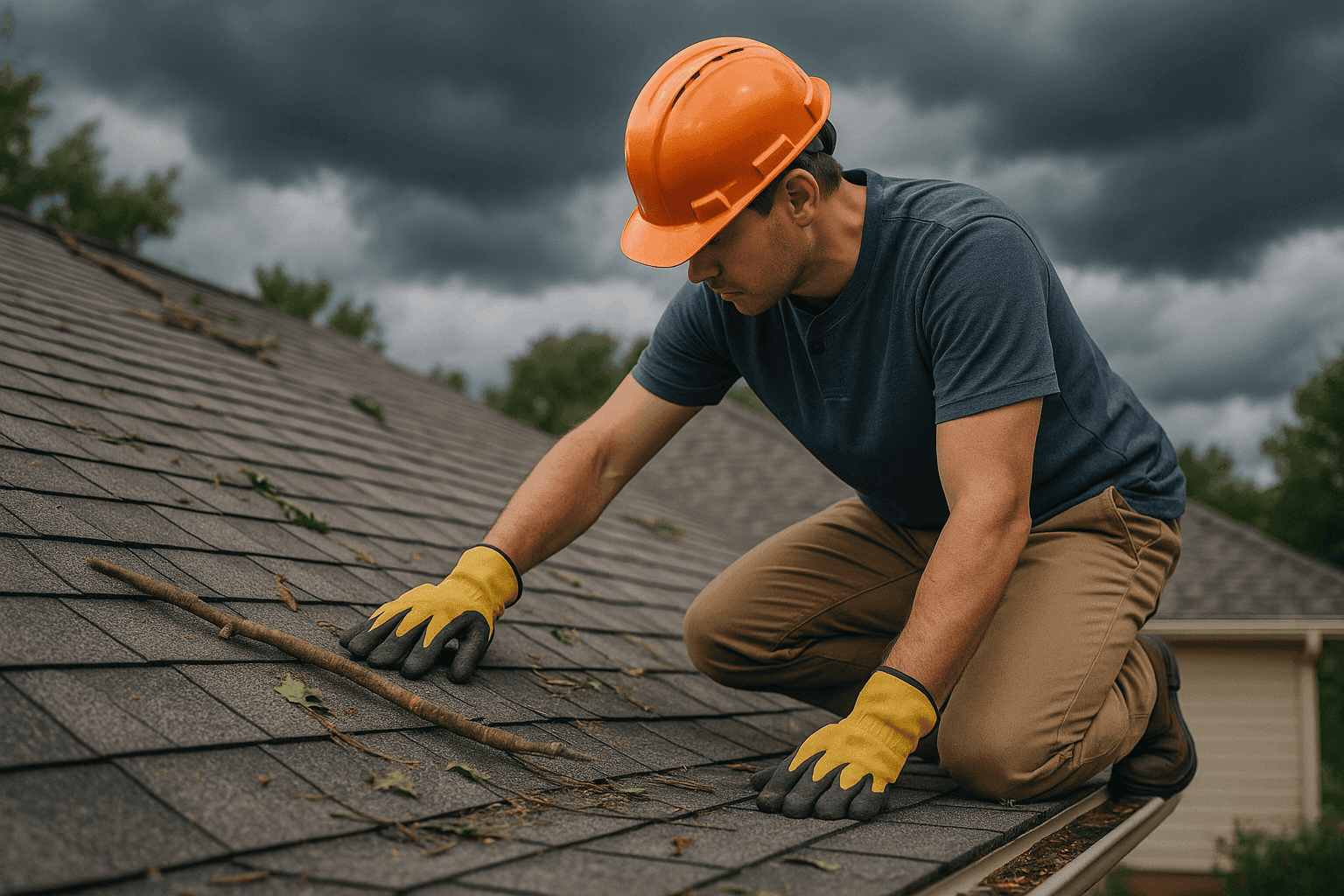
When the wind howls and the rain pounds, your roof stands guard. But even the strongest shield can take a hit. After a storm, you might feel a mix of relief and worry—what’s waiting up there, out of sight?
At Solidway Roofing, we know how overwhelming post-storm roof concerns can be. This guide will walk you through safe, practical steps to check your roof, protect your property, and know when it’s time to call in emergency roofing help.
The Calm After the Storm: Why Inspections Matter
Storms can turn a sturdy roof into Swiss cheese. Missing shingles, bent flashing, clogged gutters—these problems can let water sneak in, leading to costly repairs down the road. Ignoring the warning signs is like letting a leaky boat keep sailing.
A careful inspection after severe weather isn’t just smart—it’s essential. Quick action can prevent small problems from snowballing into major headaches.
Safety First: Preparing for Your Roof Inspection 🦺
Before you set foot outside, pause. Your safety comes first.
Here’s your quick safety checklist:
- Wait for clear weather. Never inspect during high winds, rain, or lightning.
- Wear sturdy, non-slip shoes. Wet surfaces are slicker than a greased slide.
- Use gloves and eye protection. Debris and sharp edges can turn a simple check into a trip to the ER.
- Grab a flashlight. Some damage hides in shadows.
- Have a buddy nearby. If you must use a ladder, someone should always spot you.
- Never climb up if you feel unsafe or see obvious hazards. Trust your gut.
According to the Occupational Safety and Health Administration (OSHA), falls are one of the leading causes of home inspection injuries. Take every precaution. If in doubt, stay on the ground.
Identifying Common Storm Damage Signs
You don’t need eagle eyes to spot trouble. Here’s what to look for:
- Missing or curled shingles: Like missing teeth in a smile, gaps let water in.
- Granule loss: Dark patches or piles of grit in gutters signal worn-out shingles.
- Dented or loose flashing: Metal strips around chimneys, skylights, and vents should lie flat and snug.
- Sagging or ponding water: Flat roofs especially can collect puddles—bad news for leaks.
- Clogged or damaged gutters and downspouts: Overflowing water can erode foundations and cause leaks.
- Cracked sealants or coatings: Look for splits along seams or around roof penetrations.
- Water stains or damp spots inside: Check ceilings and attic spaces for telltale marks.
Don’t forget to walk your property. Fallen branches, scattered shingles, or debris can hint at hidden roof damage.
Tools and Techniques for a Safe Roof Check
You don’t need a toolbox the size of a car. Just a few basics:
- Binoculars: Spot trouble from the ground.
- Camera or smartphone: Snap photos for insurance claims.
- Ladder (if absolutely necessary): Choose one with slip-resistant feet; set it on level ground and never overreach.
- Notebook: Jot down what you see.
Pro tip: Most issues can be spotted from the ground or a sturdy ladder. Avoid walking on the roof unless absolutely necessary and only if you’re confident in your balance and the roof’s stability.
DIY vs. Call a Pro
Some fixes are as simple as picking up a loose shingle. Others? Not so much.
DIY is okay for:
- Basic visual checks from the ground.
- Clearing small debris from gutters (if you can do so safely).
- Taking photos for documentation.
Call a professional for:
- Anything involving climbing on steep or tall roofs.
- Suspected structural damage.
- Large leaks or visible holes.
- Damaged flashing, skylights, or chimneys.
- When you’re unsure what you’re seeing.
Hidden problems can lurk beneath the surface. A trained eye can spot issues you might miss—saving you time, money, and stress.
What Pros Do On Arrival
When you call Solidway Roofing for emergency roofing services, here’s what happens:
- Thorough inspection: We check shingles, flashing, gutters, and the roof deck for damage.
- Moisture detection: Using specialized tools, we find leaks that aren’t visible to the naked eye.
- Documentation: We take photos and notes for your insurance claim.
- Temporary repairs: If needed, we install tarps or sealants to prevent further water intrusion.
- Detailed recommendations: You get a clear explanation of what’s needed, from minor repairs to full replacement.
Our team follows safety guidelines from organizations like the National Roofing Contractors Association (NRCA) and OSHA, ensuring each inspection is done right.
Prevention & Maintenance: Keeping Trouble at Bay
Think of your roof like a car. Regular tune-ups keep it running smoothly.
- Schedule annual inspections: Catch problems before they grow.
- Clean gutters and downspouts: Prevent water backup and foundation damage.
- Trim overhanging branches: Stop debris from piling up and causing punctures.
- Check attic insulation and ventilation: Good airflow prevents moisture buildup and extends your roof’s life.
- After every major storm, repeat your inspection. Even small storms can cause hidden damage.
A little prevention now saves a lot of headaches later.
Costs & Time Factors
Roof inspection and repair costs can vary as much as the weather. Here’s what to expect:
- Visual inspections: Quick checks from the ground are free—just your time and attention.
- Professional inspections: These can range from a couple of hours to a full day, depending on roof size and complexity.
- Minor repairs: Fixing a few shingles or sealing a small leak may take an hour or two.
- Major repairs or replacements: Extensive damage—like a tree falling on your roof—can take days to fix and will cost more.
Insurance may cover storm damage, especially if you document everything and act quickly. Always check your policy and contact your provider promptly after a storm.
When It’s an Emergency 🚨
Some situations just can’t wait:
- Active leaks during or after a storm
- Sagging ceilings or visible water intrusion
- Large sections of missing shingles or roofing material
- Structural damage (cracked rafters, collapsed areas)
- Fire hazards from exposed electrical wiring
If you see any of these, call an emergency roofing service immediately. Water can move fast, turning a small leak into major interior damage within hours.
FAQ: Your Roof, Your Questions
How soon should I inspect my roof after a storm?
As soon as it’s safe and the weather is clear. The quicker you spot damage, the sooner you can prevent further problems.
Can I walk on my roof to check for damage?
It’s best to avoid walking on your roof unless you’re experienced and the roof is dry and stable. Many issues can be spotted from the ground or a ladder.
What should I document for insurance claims?
Take clear, dated photos of all damage—outside and inside. Write down what you see and keep receipts for any temporary repairs.
How do I know if it’s safe to delay repairs?
If there’s active leaking, sagging, or structural concerns, don’t wait. Small issues may be monitored, but urgent problems need fast attention.
Special Considerations for Roof Inspections
- Flat roofs: Watch for pooling water and soft spots.
- Metal roofs: Look for dents, loose fasteners, and rust.
- Tile or shingle roofs: Check for cracked, slipped, or missing pieces.
- Skylights and chimneys: Inspect flashing and seals closely.
- Eco-friendly roofs: Green or solar roofs require special care—don’t attempt repairs without proper knowledge.
Always follow manufacturer guidelines and refer to resources like the International Building Code (IBC) for standards on roofing repairs and safety.
Call Solidway Roofing now — or reach us anytime at 888-227-1578 .